Katie L.
Just joined
Sydney, NSW 20+ yrs
Post a gig in 60 seconds, get bids from wireframing & prototyping freelancers across Australia. You pick the one that fits.
Ranked by verified rating, review volume, proximity and profile completeness. Every freelancer joins with an ABN and an Australian mobile.


Not sure who's best for the job? Post a gig and let local wireframing & prototyping freelancers send you a quote.
Post a gig. Pick a local freelancer. Pay in stages. All in one web app. Finding great help shouldn't be hard work.
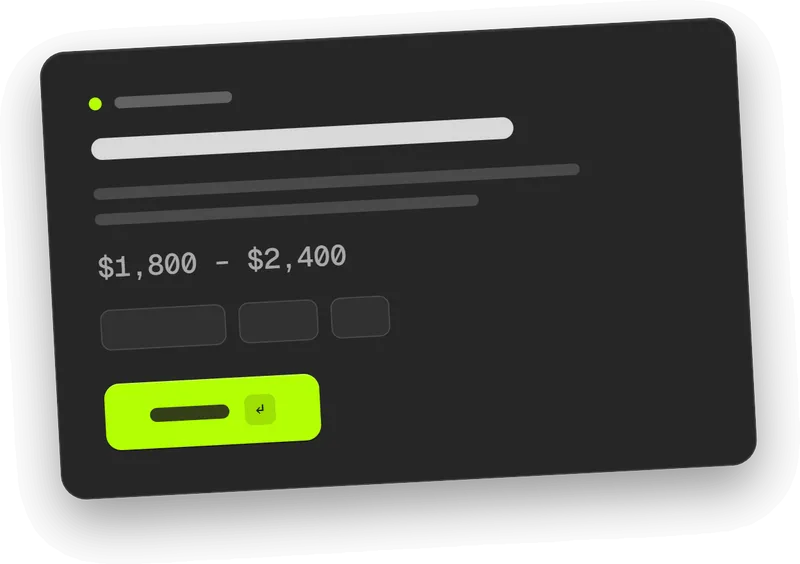
Tell us what you need, time-based or outcome-based. Takes 60 seconds and it's free to post.
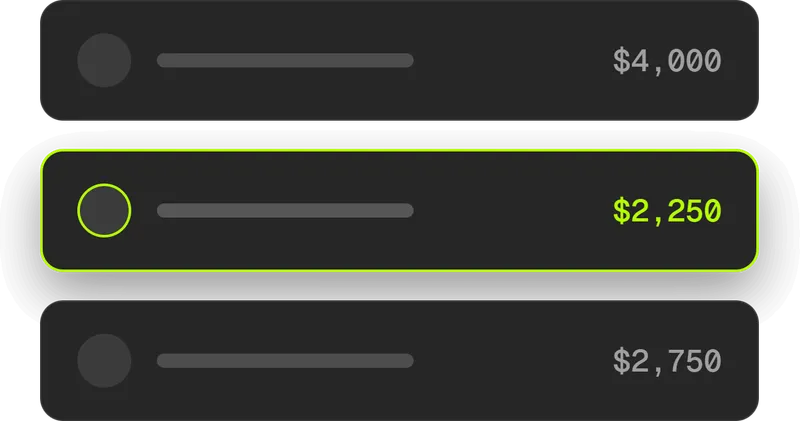
Compare bids from local freelancers, view portfolios and past work.
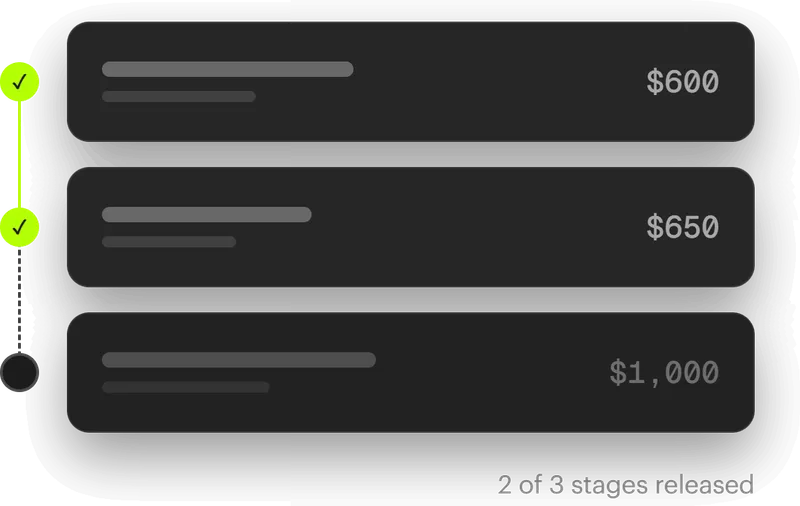
When the work lands and you're happy, sign it off and release the payment securely through Stripe. Done and dusted.
Not sure who's best for the job? Post a gig and let local freelancers send you a quote.
This is the test-before-you-build stage: turning an idea into something people can actually look at and click through. A typical gig covers wireframes (simple, low-detail layouts showing what goes where on each screen) and a clickable prototype (those screens linked so you can tap through the flow like a real product). It's usually built in Figma. You come away with something you can demo, test on users, and hand to a developer, before a line of code is written.
A wireframe is a single static screen: boxes, labels and layout, no colour or polish, showing what sits where. A prototype links those screens together so you can click from one to the next and feel the flow, like a clickable mock-up of the real thing. Wireframes answer what's on the screen; the prototype answers how it moves. Most gigs do both: wireframe the screens, then wire them into a prototype you can walk through.
Low-fidelity is rough and fast: grey boxes and placeholder text, built to test structure and flow without anyone getting attached. High-fidelity looks close to the finished product, with real layout, sometimes real colours and content, built when you want to test the actual feel or show investors something convincing. Start low to settle the structure cheaply, then go high once the bones are right. Say which you need in the gig, because the effort and price differ a lot.
Because changing a prototype takes minutes and changing a built product takes weeks. A clickable prototype lets you catch confusing flows, missing screens and bad assumptions while they're still cheap to fix, and it gives your developer something concrete to quote and build from. It also settles arguments: instead of describing an idea, you click through it. For anything more than a couple of screens, prototyping first usually saves more than it costs.
Wireframing and prototyping is the artefact you test with; UX and UI are the broader design work around it. UX design works out the flows and structure (and often produces the wireframes as part of that). UI design makes the screens look right, with colour, type and components. A wireframing and prototyping gig is the focused job of building something clickable to trial an idea. If you mainly want a testable mock-up, this is the gig; if you want the full flow logic or finished visuals, scope UX or UI.
You can, and for a simple idea it's worth a go. Figma has a free tier, and tools like it let you link screens without code. Where a freelancer earns their keep is doing it fast and clean, structuring the file so it's easy to change, and making the prototype realistic enough that a user test actually tells you something. If you just need to sketch a concept, do it yourself; if you're testing on real users or briefing a developer, a tidy professional prototype pays off.
The wireframes and a working clickable prototype, almost always as a Figma file with a shareable link you can send to anyone to click through. Ask for the file structured so screens and flows are easy to follow, and confirm whether you want it left low-fidelity or taken to high-fidelity. If a developer is building from it, a tidy, well-labelled file makes their job, and their quote, a lot easier.
A low-fidelity prototype of a small flow can come together in a few days. A high-fidelity, clickable prototype of a fuller product more often runs 1 to 3 weeks, depending on screen count and how polished it needs to be. The clearer your brief and the fewer rounds of changes, the faster it moves, so list the screens and the key flows in the gig up front.
In Australia, low-fidelity wireframes for a small flow often start around $800 to $2,000. A high-fidelity, clickable prototype of a fuller product more typically runs $2,500 to $6,000, and a large multi-screen prototype goes beyond that. Price tracks screen count, the fidelity you need, and how many rounds of changes are built into the gig.
Look for prototypes in their portfolio you can actually click through, not just static images, and check the flows feel logical and the file looks well organised. Confirm they work in a tool like Figma and will hand over a shareable link, ask how many revision rounds the gig includes, and read their verified reviews on Unjumble. A quick chat about your idea tells you whether they can turn it into something testable fast.
Post a wireframing and prototyping gig in under five minutes. Describe the work, set your budget and timeframe, and choose whether it's time-based or outcome-based. Local freelancers send a bid with a quote, you compare their profiles, portfolios and verified reviews, then pick the one that fits. Posting is free, so you only pay for the work.
Every gig is split into stages you both agree on up front. You fund each stage before the work starts and it's held securely through Stripe, then released once you sign off. No chasing invoices, and no paying for work that's not done.
Gigs, kept local.
Australia-only marketplace pairing local businesses with local marketing freelancers.

© 2026 Unjumble Group Pty Ltd, Australia·ABN 52 675 599 621