Maria Florencia C.
Just joined
Sydney, NSW 15+ yrs
Post a gig in 60 seconds, get bids from influencer & affiliate marketing freelancers across Australia. You pick the one that fits.
Ranked by verified rating, review volume, proximity and profile completeness. Every freelancer joins with an ABN and an Australian mobile.


Not sure who's best for the job? Post a gig and let local influencer & affiliate marketing freelancers send you a quote.
Post a gig. Pick a local freelancer. Pay in stages. All in one web app. Finding great help shouldn't be hard work.
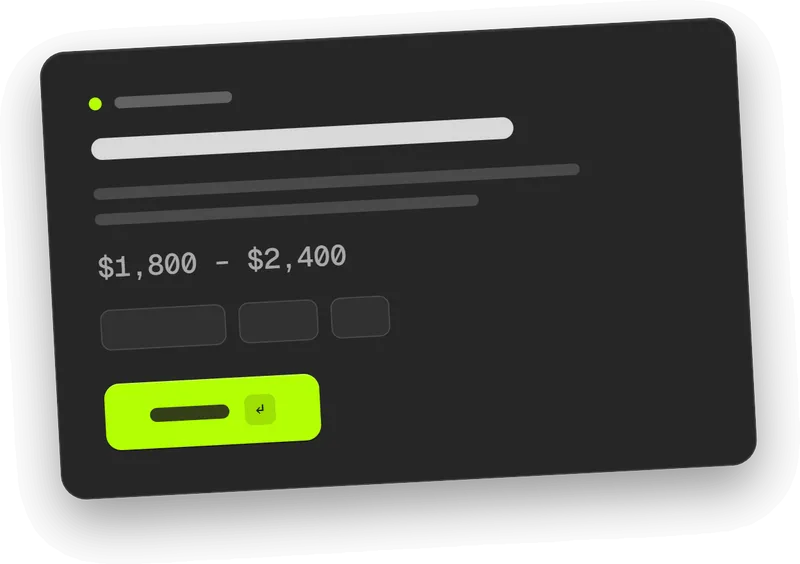
Tell us what you need, time-based or outcome-based. Takes 60 seconds and it's free to post.
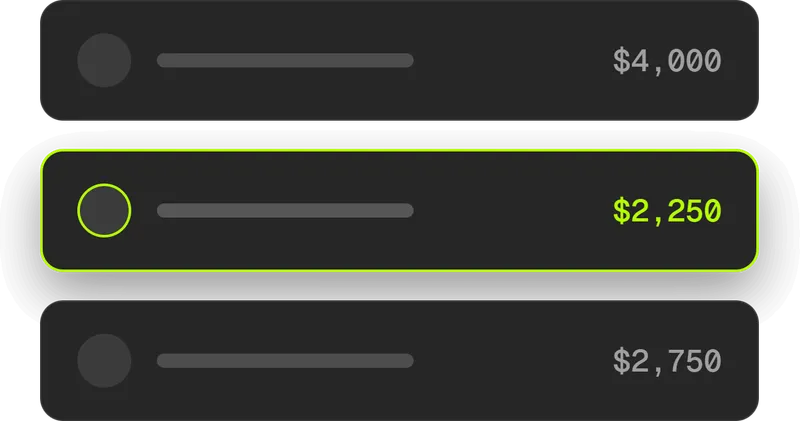
Compare bids from local freelancers, view portfolios and past work.
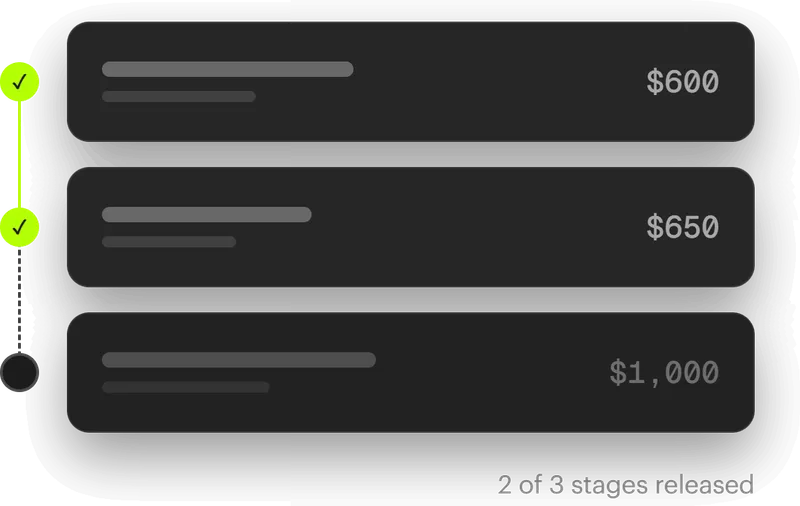
When the work lands and you're happy, sign it off and release the payment securely through Stripe. Done and dusted.
Not sure who's best for the job? Post a gig and let local freelancers send you a quote.
Usually the strategy and the legwork. That means working out which creators or affiliates suit your business, writing the briefs, handling the outreach and negotiation, setting up tracking (discount codes or affiliate links), then managing the content and reporting on what each partner drove. Some freelancers focus on one-off influencer collaborations, others build an ongoing affiliate program with commission terms. Be clear which you're after, because it changes the bid.
Influencer marketing usually pays a creator a flat fee (or product) to post about you, so you pay for the reach whether or not it sells. Affiliate marketing pays for performance: partners earn a commission only on the sales they bring in, tracked by a unique code or link. Plenty of programs blend the two, a paid post upfront plus a commission code, so a creator has a reason to keep promoting you after the first post goes up.
Fit beats follower count. A local cafe gets more from a Byron food creator with 8,000 engaged followers than a national name with 200,000 who'll never set foot in the place. A good freelancer shortlists creators by audience overlap, engagement rate and how their content actually looks, then checks the audience is real before you spend a cent. Micro-creators (roughly 5,000 to 50,000 followers) tend to convert better and cost far less.
Partners get a unique code or tracked link, and earn an agreed cut of any sale that comes through it, commonly 10% to 20% for products, sometimes a flat dollar amount per lead or sale. You only pay out on results, so the risk sits with the partner, not you. The freelancer sets the commission rate, the cookie window (how long after a click a sale still counts) and the payout schedule, then reconciles it each month.
Yes. Under the AANA Code and Australian Consumer Law, any paid or gifted partnership has to be clearly labelled, #ad or #sponsored, or the platform's paid-partnership tag, not buried in the hashtags. It protects you as much as the creator, because an undisclosed ad that gets pulled up does real brand damage. A freelancer who runs partnerships properly builds disclosure into every brief as a non-negotiable.
An influencer post can drive a spike in traffic or sales within days of going live, though that first burst often fades fast. An affiliate program is a slower build: 2 to 3 months to recruit partners, get codes circulating and see steady sales come through. One-off posts are good for a launch or a push; an affiliate program is the longer game that keeps paying once it's running.
You can, and reaching out to a few local creators you already follow is a fine place to start. Where a freelancer earns their keep is at volume: vetting audiences for fake followers, negotiating rates so you're not overpaying, writing briefs that actually convert, and tracking which partner drove what. Doing it solo eats hours in the DMs, and it's easy to pay big money for a post that sells nothing. A freelancer makes the spend accountable.
Track it at the source. Give every creator or affiliate a unique discount code or link so you can tie sales straight back to them, then judge each partner on cost per sale, not likes. Reach and engagement are early signals, but a post that pulls 50,000 views and zero sales has failed. Expect a report that ranks partners by what they actually drove, so you renew the ones that work and drop the ones that don't.
In Australia, freelance management of influencer or affiliate programs typically runs $800 to $3,000 a month, on top of what you pay the creators themselves. Creator fees sit on top and vary hugely: a micro-creator might post for a few hundred dollars or free product, while an established name runs into the thousands per post. Affiliate commissions only come out of sales the partners make, so they're self-funding. Confirm whether the fee includes creator outreach and content rights, or just the strategy.
Look for someone who talks about audience fit and tracked sales before follower counts, and who can show real campaigns with the codes, the spend and the return. Ask how they vet creators for fake followers and how they build disclosure into briefs. Make sure they hand you the creator relationships and the affiliate platform login so you keep them. Verified reviews on Unjumble that mention actual sales or sign-ups are the cleanest signal.
Post an influencer and affiliate marketing gig in under five minutes. Describe the work, set your budget and timeframe, and choose whether it's time-based or outcome-based. Local freelancers send a bid with a quote, you compare their profiles, portfolios and verified reviews, then pick the one that fits. Posting is free, so you only pay for the work.
Every gig is split into stages you both agree on up front. You fund each stage before the work starts and it's held securely through Stripe, then released once you sign off. No chasing invoices, and no paying for work that's not done.
Gigs, kept local.
Australia-only marketplace pairing local businesses with local marketing freelancers.

© 2026 Unjumble Group Pty Ltd, Australia·ABN 52 675 599 621