Zach D.
Just joined
Richmond, VIC 14+ yrs
Post a gig in 60 seconds, get bids from ux research freelancers nearby. You pick the one that fits.
Ranked by verified rating, review volume, proximity and profile completeness. Every freelancer joins with an ABN and an Australian mobile.


Not sure who's best for the job? Post a gig and let local ux research freelancers send you a quote.
Post a gig. Pick a local freelancer. Pay in stages. All in one web app. Finding great help shouldn't be hard work.
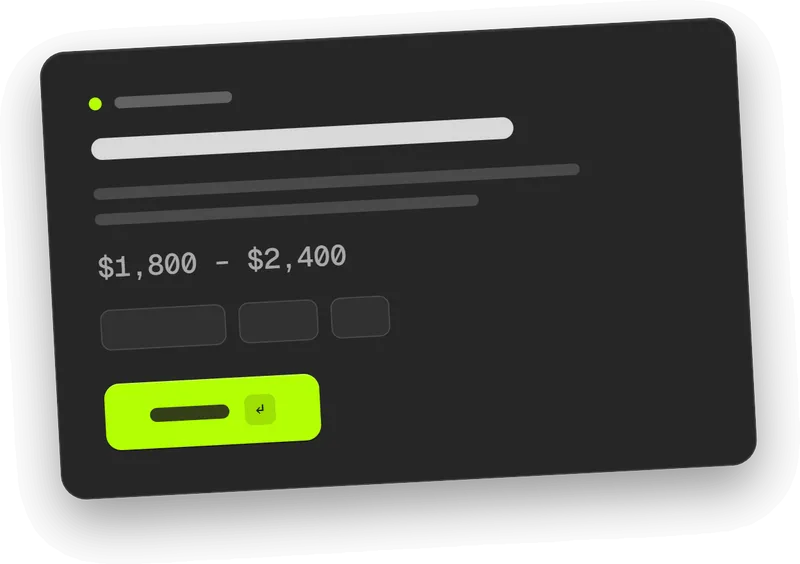
Tell us what you need, time-based or outcome-based. Takes 60 seconds and it's free to post.
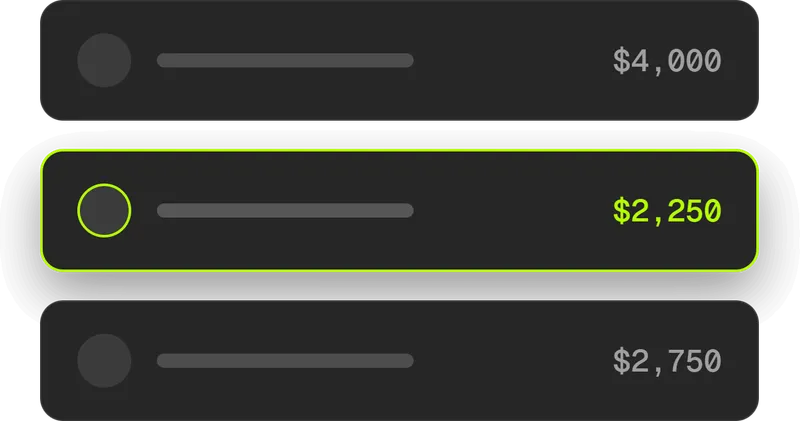
Compare bids from local freelancers, view portfolios and past work.
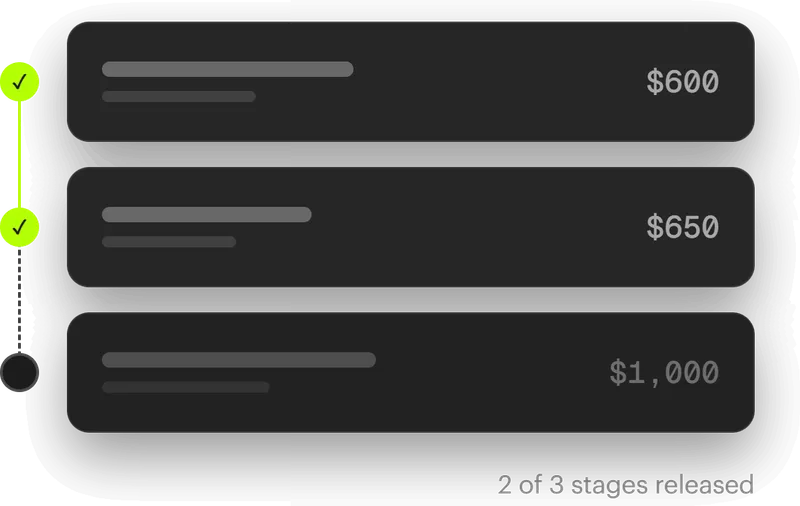
When the work lands and you're happy, sign it off and release the payment securely through Stripe. Done and dusted.
Not sure who's best for the job? Post a gig and let local freelancers send you a quote.
UX research is studying the people who use (or will use) your product, then reporting back what they actually need and where they get stuck. A typical gig covers a plan (the questions you want answered), the method (user interviews, usability tests on your live site or a prototype, or an expert audit), running it, and a written findings report with clear recommendations. You're buying evidence and direction, not screens or visuals.
UX research studies users and hands back findings: what they need, where they struggle, what to fix. UX design takes those findings and builds the actual flows, structure and wireframes. Research is the evidence; design is the response to it. They're different skills, and on a bigger job you'd run research first so the design decisions rest on what real people do, not on a hunch.
The common ones are user interviews (talking to real or prospective users about their goals and frustrations), usability testing (watching people attempt tasks on your site or prototype and noting where they trip), and an expert or heuristic audit (a specialist reviewing your product against known usability principles). Surveys and analytics reviews round it out. The right mix depends on your question, so say what you're trying to learn in the gig and let the freelancer suggest the method.
Two prime moments. Before you build, to test an idea or a prototype and avoid pouring money into the wrong thing. And after launch, when something isn't converting or people keep dropping off and you need to know why. Research before a build is the cheaper of the two by a mile, because changing a prototype costs a fraction of changing a shipped product. If you're guessing about your users, it's the right time.
Fewer than most people expect. For usability testing, 5 to 8 participants typically surface the large majority of the serious problems, because the same issues show up again and again. Generative interviews, where you're exploring needs rather than testing a specific design, often want a few more. Quality of participant matters more than quantity, so the gig should cover finding people who actually match your users, not just any volunteer.
You can run informal tests yourself: sit a few customers in front of your site and watch quietly, and you'll learn plenty. Where a researcher earns their keep is asking questions that don't lead the witness, spotting patterns across sessions, and separating what people say from what they actually do. They also keep it honest, because it's hard to test your own product without nudging people toward the answer you're hoping for.
A findings report, not a set of screens. Expect a clear write-up of what was tested, the key issues ranked by how badly they hurt users, and specific recommendations you can act on. Many freelancers include clips or quotes from the sessions as evidence, plus a short summary you can share with whoever builds the fixes. Confirm up front whether you want raw recordings and notes as well as the summary.
UX research studies users and produces findings; wireframing and prototyping produces the artefact, a clickable mock-up of the design itself. They pair up neatly: a freelancer builds a prototype, then research puts it in front of real users to see what works before you commit to building. If you want both the thing to test and the test itself, you can post them as two gigs or scope one gig that covers building the prototype and running the sessions.
In Melbourne, a focused usability test or expert audit often runs $1,500 to $4,000. A larger study, with recruiting, several rounds of interviews or testing, and a full findings report, more typically lands at $5,000 to $10,000. Price tracks how many participants and sessions are involved, whether the freelancer recruits them, and the depth of analysis and reporting you need.
Look for someone who can show the work behind a finding, the method, the evidence, the recommendation, not just a claim that they improved something. Ask which methods they use and how they recruit participants who match your users. Check they hand over a clear, actionable report rather than raw notes, and read their verified reviews on Unjumble. A short chat about what you're trying to learn tells you whether they'll answer the real question.
Post a UX research gig in under five minutes. Describe the work, set your budget and timeframe, and choose whether it's time-based or outcome-based. Local freelancers send a bid with a quote, you compare their profiles, portfolios and verified reviews, then pick the one that fits. Posting is free, so you only pay for the work.
Every gig is split into stages you both agree on up front. You fund each stage before the work starts and it's held securely through Stripe, then released once you sign off. No chasing invoices, and no paying for work that's not done.
Gigs, kept local.
Australia-only marketplace pairing local businesses with local marketing freelancers.

© 2026 Unjumble Group Pty Ltd, Australia·ABN 52 675 599 621