Taha S.
Just joined
Sydney, NSW 5+ yrs
Post a gig in 60 seconds, get bids from front-end development freelancers nearby. You pick the one that fits.
Ranked by verified rating, review volume, proximity and profile completeness. Every freelancer joins with an ABN and an Australian mobile.


Not sure who's best for the job? Post a gig and let local front-end development freelancers send you a quote.
Post a gig. Pick a local freelancer. Pay in stages. All in one web app. Finding great help shouldn't be hard work.
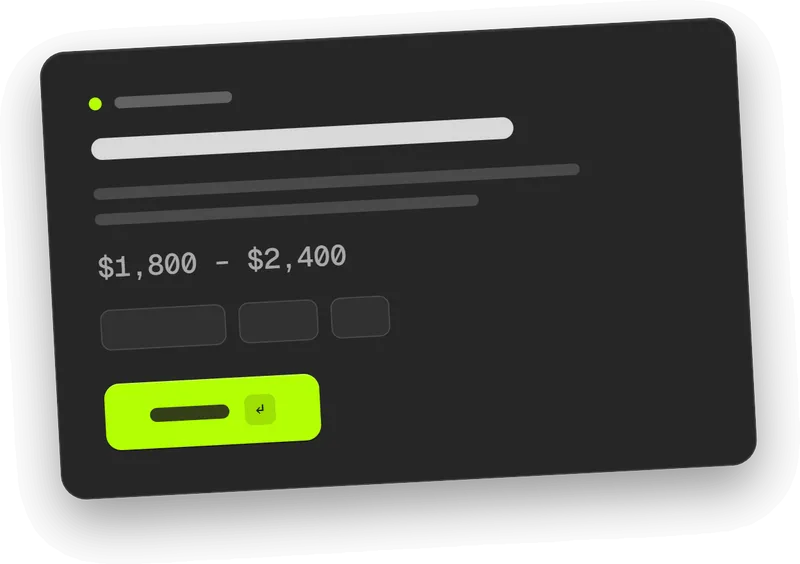
Tell us what you need, time-based or outcome-based. Takes 60 seconds and it's free to post.
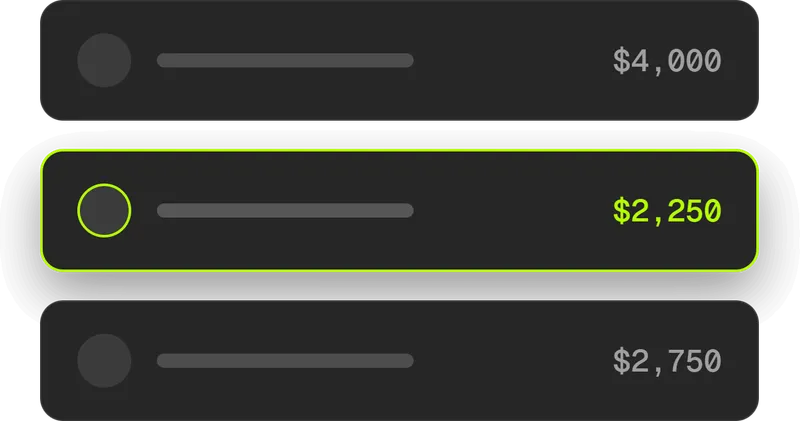
Compare bids from local freelancers, view portfolios and past work.
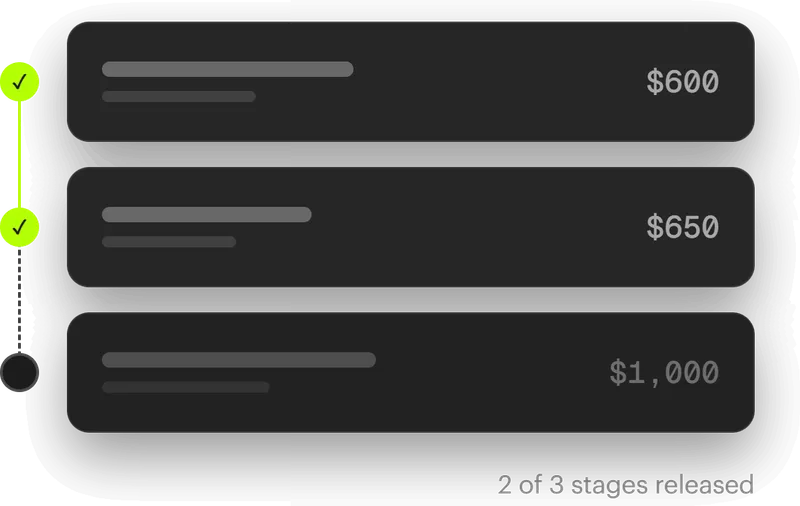
When the work lands and you're happy, sign it off and release the payment securely through Stripe. Done and dusted.
Not sure who's best for the job? Post a gig and let local freelancers send you a quote.
Turning a design into a working interface people can actually use: the HTML, CSS and JavaScript that build the screens, the interactions and state (menus, forms, filters, live updates), wiring the interface up to your back-end APIs, and making it fast and responsive across browsers and devices. This covers any interface, a website, a web app, a single-page app or the front-end of a mobile app. A proper gig also includes testing and a handover, so the code and repository end up in your name.
Front-end is everything the user sees and touches: the layout, the buttons, the interactions, all running in the browser or the app. Back-end is the engine behind it, the database, the APIs and the logic on the server. A front-end developer takes a design and the data from the back-end and turns it into a working interface. The two meet at the API: the back-end serves the data, the front-end displays it and sends changes back. Many gigs need both, so be clear which side you're posting for.
Front-end development is the broad engineering discipline: building any interface, including web apps, dashboards and single-page apps with lots of state and logic, often in a framework like React or Vue. Front-end web development is the website-focused subset, marketing and content sites where accessibility, pixel-true layout and a CMS front-end matter most. If your build is an app-like interface with logins and live data, post a front-end development gig. If it's a website, look at front-end web development instead.
It depends on the interface, not the developer's habit. React, Vue, Svelte and Angular suit app-like products with lots of state and reusable components. For content-heavy sites, a framework like Next.js, Nuxt or Astro gives you speed and good SEO. Plain HTML, CSS and JavaScript is still right for something simple. A good developer recommends a framework off your actual requirements, who'll maintain it and how it talks to your back-end, then explains the trade-offs in plain English.
Usually, yes. Front-end development builds what a design lays out, so a Figma file or clear mockups make for a sharper bid and a faster build. Some front-end developers design as they go for simple interfaces, but for anything with real users you'll get a better result from a proper design first. If you're starting from nothing, either post a design gig first or look for a freelancer who does both design and front-end.
For simple interfaces, often yes. Tools like Webflow, Framer and Bubble let you build a working front-end without code, which is plenty for a marketing site or a basic internal tool. The wall comes with complex interactions, custom components, heavy data on screen or tight performance, where no-code gets fiddly and slow. A common path is to prototype in a no-code tool, then have a front-end developer rebuild it properly once the product earns it.
A handful of screens built from a finished design can turn around in 1 to 3 weeks. A full web app interface with many views, live data and complex state usually runs 4 to 12 weeks for a first working version. The slow parts are the in-between states (loading, errors, empty screens, what happens on a slow connection), so make sure the design covers those before the build starts, or expect the freelancer to raise them.
You do. The code, the repository and any build or hosting accounts tied to the front-end should sit in your name at handover, with a short doc on how to run and deploy it. Write that into the gig brief before work starts. On Unjumble, handover is a standard stage you sign off before the final payment is released.
Freelance front-end developers in Sydney typically charge $110 to $170 an hour, with the broader range running about $90 to $190 depending on experience and framework. Priced by scope, building a set of screens from a finished design often lands around $2,000 to $6,000, while a full web app interface can run $8,000 to $25,000 or more. Get a fixed quote against a written scope and a finished design where you can.
Open live interfaces they've built, on your phone and on desktop, and look for the craft: smooth interactions, fast loading, and the layout matching the design closely. Match their framework to your build, ask how they handle responsiveness, accessibility and connecting to a back-end, and check the handover includes a clean repository and documentation. Read their verified reviews on Unjumble for whether past businesses actually shipped.
Post a front-end development gig in under five minutes. Describe the work, set your budget and timeframe, and choose whether it is time-based or outcome-based. Local freelancers send a bid with a quote, you compare their profiles, portfolios and reviews, then pick the one that fits. Posting is free, so you only pay for the work.
Every gig is split into stages you both agree on up front. You fund each stage before the work starts and it is held securely through Stripe, then released once you sign off. No chasing invoices, and no paying for work that is not done.
Gigs, kept local.
Australia-only marketplace pairing local businesses with local marketing freelancers.

© 2026 Unjumble Group Pty Ltd, Australia·ABN 52 675 599 621